Optimizing Breast Cancer Chemotherapy by Harnessing Gut Microbiota With Insights From Artificial Intelligence
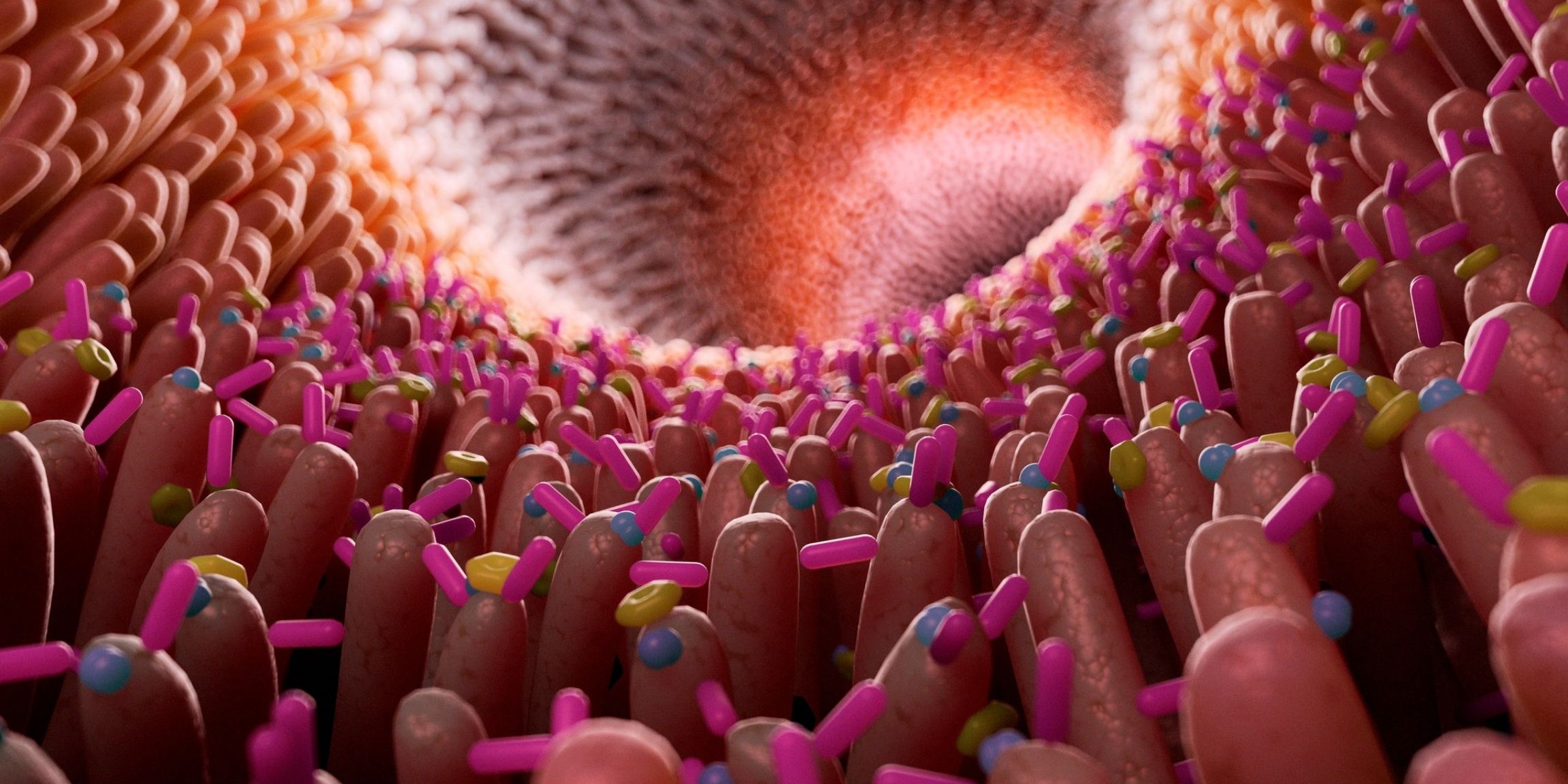
AI Decodes Gut Bacteria’s Secret Role in Breast Cancer Chemotherapy Success
Emerging research reveals that the gut microbiota plays a critical and bidirectional role in breast cancer progression and chemotherapy response, influencing drug efficacy, toxicity, and resistance through immune and metabolic pathways. Artificial intelligence is now unlocking hidden patterns in complex microbiome data, enabling precise patient stratification, prediction of treatment outcomes, and personalized interventions—such as probiotics, prebiotics, or antibiotics—to optimize chemotherapy and improve survival while mitigating adverse effects. This innovative integration of AI and microbiome science is poised to revolutionize breast cancer care, offering a new frontier in precision oncology by harnessing the power of the gut to enhance treatment precision and patient outcomes.
Curcumin in Prostate Cancer: A Systematic Review of Molecular Mechanisms and Nanoformulated Therapeutic Strategies

Turmeric’s Secret Weapon: How Nano-Boosted Curcumin Thwarts Prostate Cancer from Every Angle
A 2025 systematic review reveals that curcumin, the active compound in turmeric, launches a multi-pronged assault on prostate cancer by disrupting critical molecular pathways—including PI3K/Akt/mTOR, NF-κB, and androgen receptor signaling—to induce apoptosis, halt cell division, and block metastasis. However, its clinical promise has long been hindered by poor bioavailability, a challenge now being overcome by innovative nanoformulations like Theracurmin®, PLGA nanoparticles, and venom-conjugated phytosomes, which dramatically enhance solubility, target tumors, and enable potent combination therapies with chemotherapy or light irradiation, positioning curcumin as a versatile and potent candidate for next-generation prostate cancer treatment.
Combination of Pembrolizumab and Radiotherapy Induces Systemic Antitumor Immune Responses in Immunologically Cold Non-Small Cell Lung Cancer

Radiation Turns Cold Tumors Hot: How SBRT Ignites Systemic Immune Attacks Against Resistant Lung Cancer
A groundbreaking study reveals that combining stereotactic body radiotherapy (SBRT) with pembrolizumab can reprogram immunologically “cold” non-small cell lung tumors, triggering potent systemic antitumor immune responses even in patients typically resistant to immunotherapy alone. By analyzing serial tissue and blood samples from a phase 2 trial, researchers found that SBRT followed by pembrolizumab significantly upregulated interferon signaling, antigen presentation, and T- and B-cell activity in nonirradiated tumor sites—effectively converting cold, immunotherapy-resistant tumors into inflamed, responsive ones. This radioimmunotherapy approach not only reshaped the tumor microenvironment and expanded neoantigen-reactive T cell clones but also led to longer progression-free survival in patients with low tumor mutation burden, absent PD-L1 expression, or Wnt pathway mutations, offering a promising strategy to overcome primary immunotherapy resistance in advanced NSCLC.
SPP1high Macrophage-induced T-cell Stress Promotes Colon Cancer Liver Metastasis Through SPP1/CD44/PI3K/ AKT Signaling
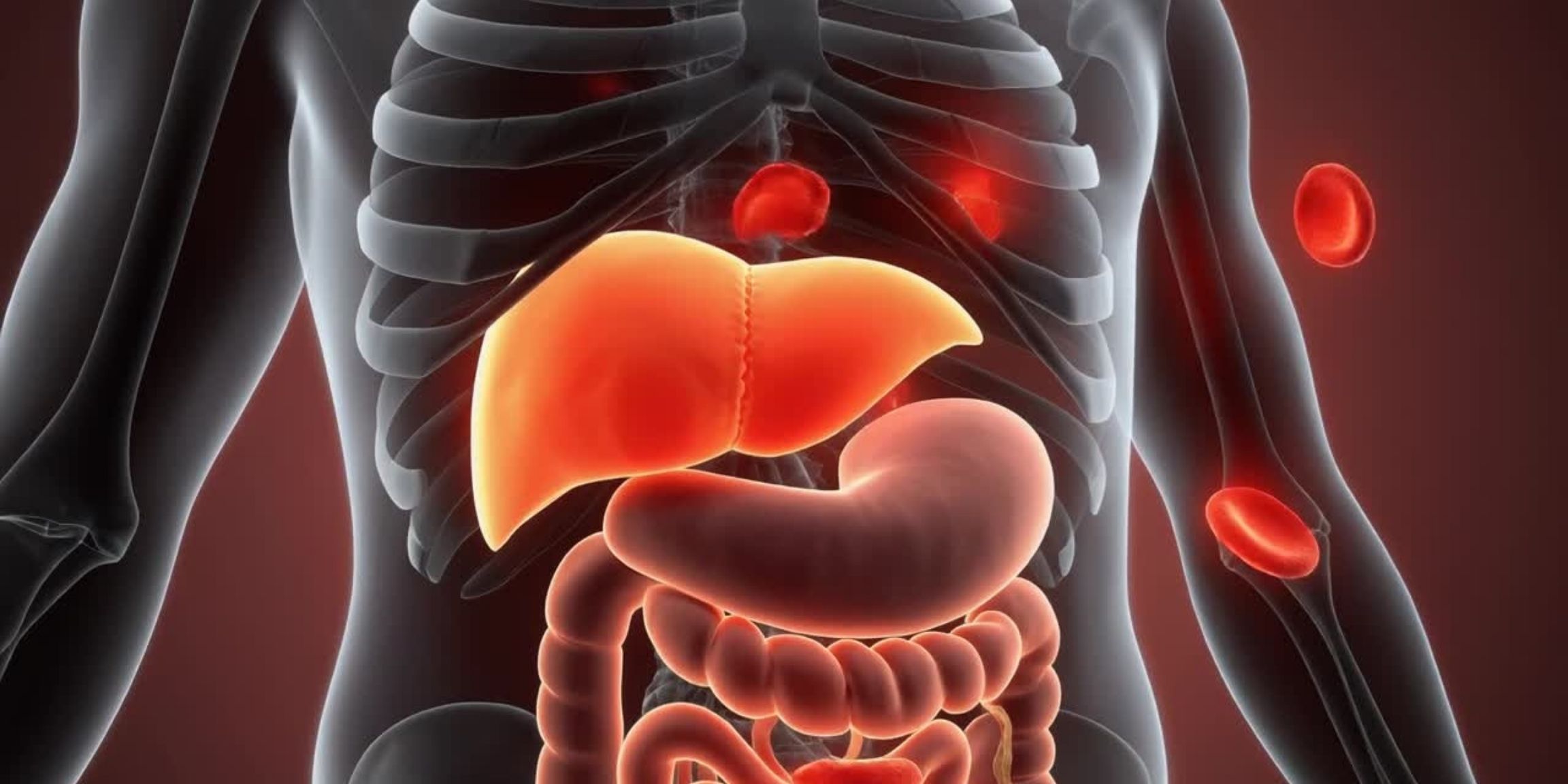
Unmasking the Stress Signal: How SPP1-High Macrophages Hijack T Cells to Fuel Colon Cancer’s Spread to the Liver
Researchers have uncovered a key mechanism by which colon cancer liver metastases evade the immune system, revealing that a specific type of macrophage, characterized by high expression of the protein SPP1, actively drives T cells into a dysfunctional “stress response” state. Using single-cell analysis of patient tumors, the study identified these stressed T cells as a distinct intermediate between effective and fully exhausted cells, and showed that SPP1-high macrophages induce this state via the SPP1/CD44/PI3K/AKT signaling pathway, thereby crippling the anti-tumor immune response. Crucially, combining an anti-SPP1 antibody with existing anti-PD-1 immunotherapy in mouse models dramatically reduced liver metastasis growth by reversing T-cell stress, restoring immune cell infiltration, and reprogramming the tumor microenvironment, offering a promising new combination strategy to overcome immunotherapy resistance in advanced colon cancer.
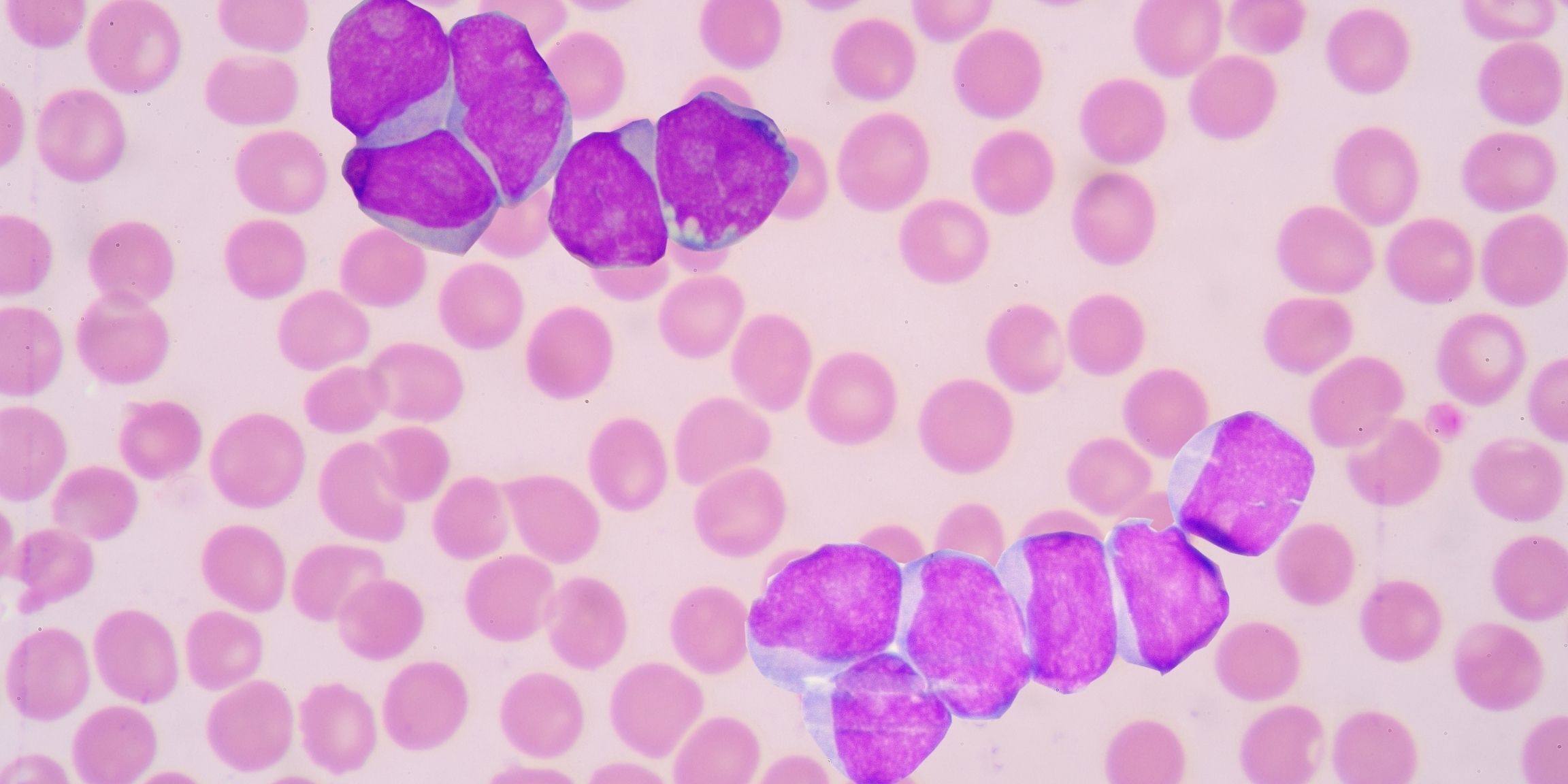
Rapid Epigenomic Classification of Acute Leukemia
Allergy Paradox: Meta-Analysis Uncovers Immune System’s Double-Edged Sword in Cancer Risk
A comprehensive systematic review and meta-analysis of 53 studies reveals a complex and often contradictory relationship between allergic diseases and cancer, suggesting that allergies may serve as both a shield and a sword depending on the cancer type. The analysis found significant negative correlations between a history of allergies and several cancers, with allergies associated with reduced odds of colorectal cancer, lymphoma, pancreatic cancer, leukemia, and brain cancers. Notably, hay fever showed a strong protective link against brain cancer, while asthma was tied to lower risks of lymphoma and gynecological cancers. However, the relationship flipped for atopic allergy, which was linked to a more than doubled risk of lymphoma. The study underscores the dual nature of immune dysregulation—where an overactive allergic response might enhance anti-tumor surveillance for some cancers while promoting an environment conducive to others. Despite these intriguing patterns, the overall certainty of evidence was graded as low to very low due to the observational nature of the included studies, significant heterogeneity, and potential biases, highlighting the need for mechanistic research and higher-quality prospective data to unravel the immunological interplay between allergy and oncology.
Correlation Between Allergy and Cancer: A Systematic Review and Meta-analysis

Epigenetic Time Machine: AI-Powered Methylation Profiling Diagnoses Leukemia in Hours
Researchers have developed a groundbreaking AI framework that leverages DNA methylation patterns to classify acute leukemia subtypes with unprecedented speed and accuracy, potentially transforming diagnostic workflows. The study created a comprehensive reference cohort of 2,540 samples, defining 38 distinct methylation classes that capture the disease’s molecular heterogeneity, including lineages and genetic drivers. The team then built a neural network classifier, MARLIN, capable of making high-confidence predictions from sparse DNA methylation data generated by rapid nanopore sequencing. In validation, the system matched or refined conventional diagnoses in 25 out of 26 cases and demonstrated real-time classification within two hours of sample receipt for five prospective patients—offering a powerful complement to traditional, time-intensive diagnostics.