Fractional Microneedle Radiofrequency with the Application of Vitamin C, E, and Ferulic Acid Serum for Neck Skin Rejuvenation: A Prospective, Double-Blinded, Split-Neck, Placebo-Controlled Trial
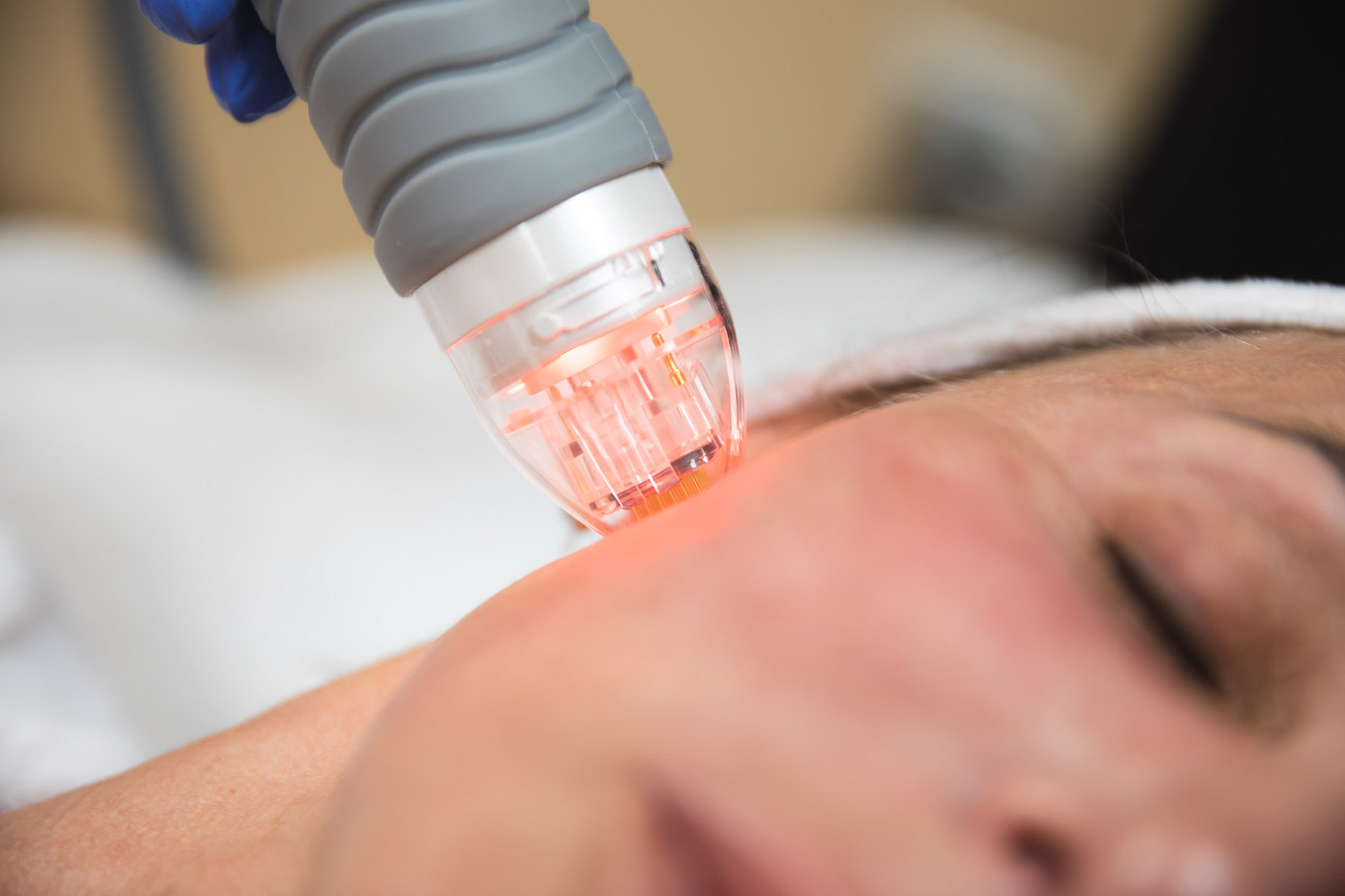
Targeting Cellular Aging: A Scientific Breakthrough in Non-Invasive Neck Rejuvenation
This study presents compelling evidence for the enhanced efficacy of combining fractional microneedle radiofrequency (FMR) with a topical antioxidant serum containing vitamins C, E, and ferulic acid in the treatment of neck skin aging.
Through a rigorous double-blinded, split-neck design, the researchers demonstrated that the antioxidant-treated side significantly improved wrinkle reduction, skin elasticity, and overall aesthetic appearance compared to FMR alone.
Crucially, histological research showed a significant decrease in DNA damage and cellular senescence markers, as well as an increase in elastin formation. This indicates that the antioxidant serum not only enhanced the cosmetic effects right away but also encouraged deeper, cellular-level rejuvenation.
This underscores the clinical significance of adjunctive antioxidant therapy as a non-invasive, scientifically grounded approach to optimize skin rejuvenation outcomes, particularly in a region like the neck, where aging is often more pronounced and harder to treat effectively.
Exosome-Based Therapeutics in Dermatology
Unlocking Skin’s Secret Messengers: How Exosome Therapies Are Revolutionizing Dermatology and Healing
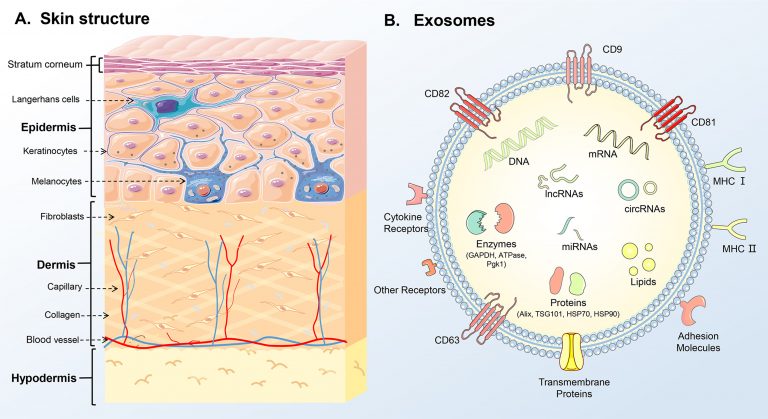
This comprehensive review highlights the transformative potential of exosome (Exo)-based therapies in dermatology, offering groundbreaking solutions for skin regeneration, wound healing, and inflammatory diseases such as psoriasis and systemic sclerosis.
Exosomes, tiny extracellular vesicles packed with bioactive molecules, excel in cell-to-cell communication, modulating immune responses, and promoting tissue repair. Derived from sources such as mesenchymal stem cells (MSCs) or plants, they enhance collagen synthesis, reduce oxidative stress, and accelerate wound closure—often outperforming traditional treatments due to their low immunogenicity and targeted delivery.
However, challenges such as high production costs, complex isolation methods, and a lack of standardized protocols continue to hinder clinical adoption. Innovations in biomaterial carriers (e.g., hydrogels, microneedles) and engineering techniques (e.g., surface modification) aim to overcome these barriers by ensuring sustained release and improved stability.
Predictive modeling and optimization in dermatology: Machine learning for skin disease classification
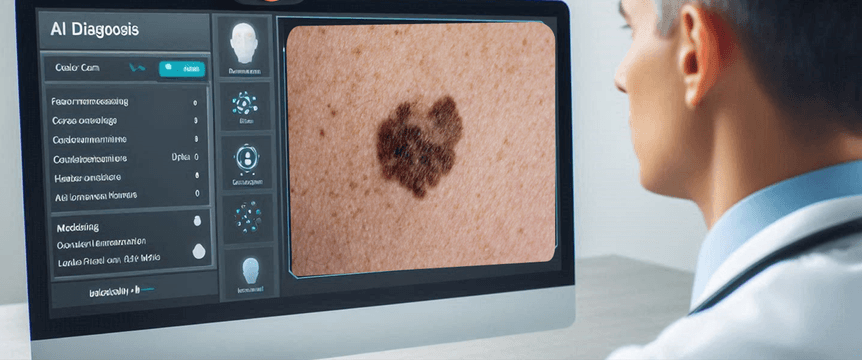
AI’s Skin-Deep Revolution: How Machine Learning is Redefining Dermatology Diagnosis with Near-Perfect Accuracy
This groundbreaking study harnesses the power of machine learning to transform the diagnosis of skin diseases, achieving unprecedented accuracy and reliability.
By evaluating six advanced classifiers—including Random Forest, Logistic Regression, and the standout SGD Classifier—the research demonstrates how artificial intelligence can outperform traditional diagnostic methods, with the SGD model reaching an exceptional 99.09% accuracy.
The study identifies critical histopathological features such as the Koebner phenomenon and erythema, offering clinicians actionable insights for faster, more precise diagnoses. Beyond improving patient outcomes, this work paves the way for automated diagnostic tools that could democratize access to dermatological care, especially in underserved regions.
With implications for personalized medicine and early disease detection, this research marks a pivotal step toward integrating AI into healthcare, promising a future where skin diseases are identified swiftly, accurately, and equitably.
Glucagon-Like Peptide-1 Receptor Agonist Medications and Hair Loss: A Retrospective Cohort Study

The Hidden Cost of Weight Loss? Exploring Hair Loss Risks with GLP-1 Receptor Agonists
As GLP-1 receptor agonists (GLP-1RAs) like semaglutide and tirzepatide gain widespread use for managing diabetes and obesity, concerns about their lesser-known effects—such as hair loss (e.g., telogen effluvium, androgenetic alopecia)—are drawing clinical attention.
A recent retrospective study analyzing 283 patients found that while no definitive link was established, semaglutide showed a notable trend (OR: 6.97) toward hair loss, and tirzepatide had a borderline association with telogen effluvium (P = .0537). The results of this study align with prior FDA adverse event reports, despite limitations such as a small sample size and potential recall bias, hinting at a potential yet understudied risk.
For future physicians, this underscores the importance of vigilance when prescribing GLP-1RAs. Patients should be counseled about possible hair changes, and further large-scale, mechanistic research is critical. Understanding these nuances is essential for balanced clinical decision-making in an era where GLP-1RAs are revolutionizing metabolic care.
Pembrolizumab versus Placebo as Adjuvant Therapy in Resected Stage IIB or IIC Melanoma: Long-Term Follow-Up, Crossover, and Rechallenge with Pembrolizumab in the Phase III KEYNOTE-716 Study
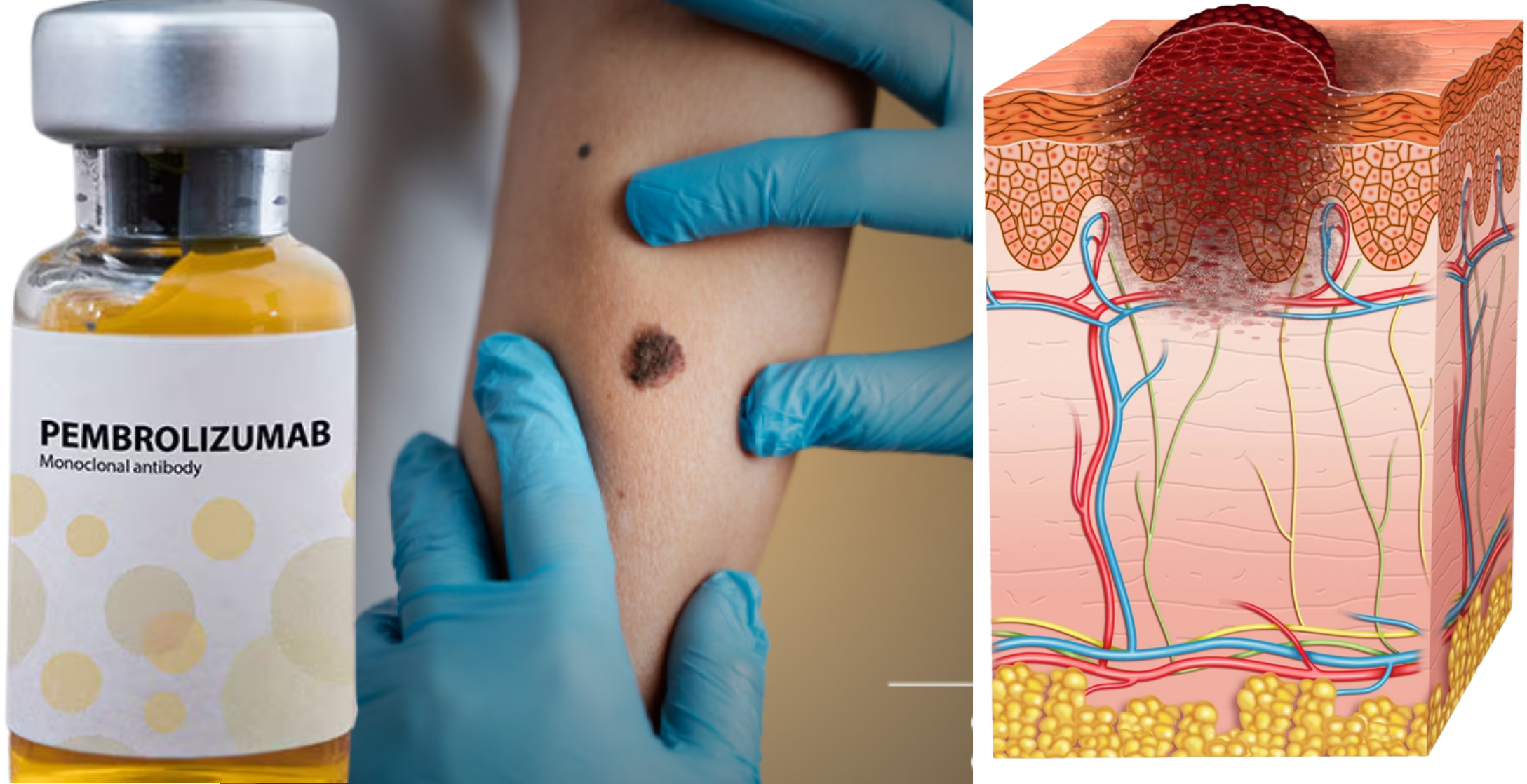
Pembrolizumab Redefines Melanoma Care: 4-Year Data Shows Unprecedented Survival Benefits in High-Risk Patients
Melanoma is an aggressive skin cancer originating from melanocytes, with a high potential for metastasis and mortality. Pembrolizumab, a PD-1 inhibitor, enhances the immune system’s ability to recognize and eliminate tumor cells.
This study presents long-term findings from the KEYNOTE-716 clinical trial, evaluating adjuvant pembrolizumab in patients with completely resected stage IIB/IIC melanoma. Over more than four years of follow-up, pembrolizumab achieved a recurrence-free survival (RFS) rate of 71.3% and reduced the risk of distant metastasis by 59% compared to placebo.
Notably, patients who initially received a placebo but later crossed over to pembrolizumab after recurrence also experienced substantial clinical benefit. With a manageable safety profile and durable efficacy, pembrolizumab demonstrates the potential to shift survival outcomes in high-risk melanoma.
These findings establish pembrolizumab as a standard of care in this setting and highlight the broader role of immunotherapy in altering the course of early-stage melanoma.
A Topical Formulation Containing Macrocystis Pyrifera Ferment for Managing Barrier Damage After Mild-Moderate Skin Disruption from Cosmetic Dermatologic Procedures
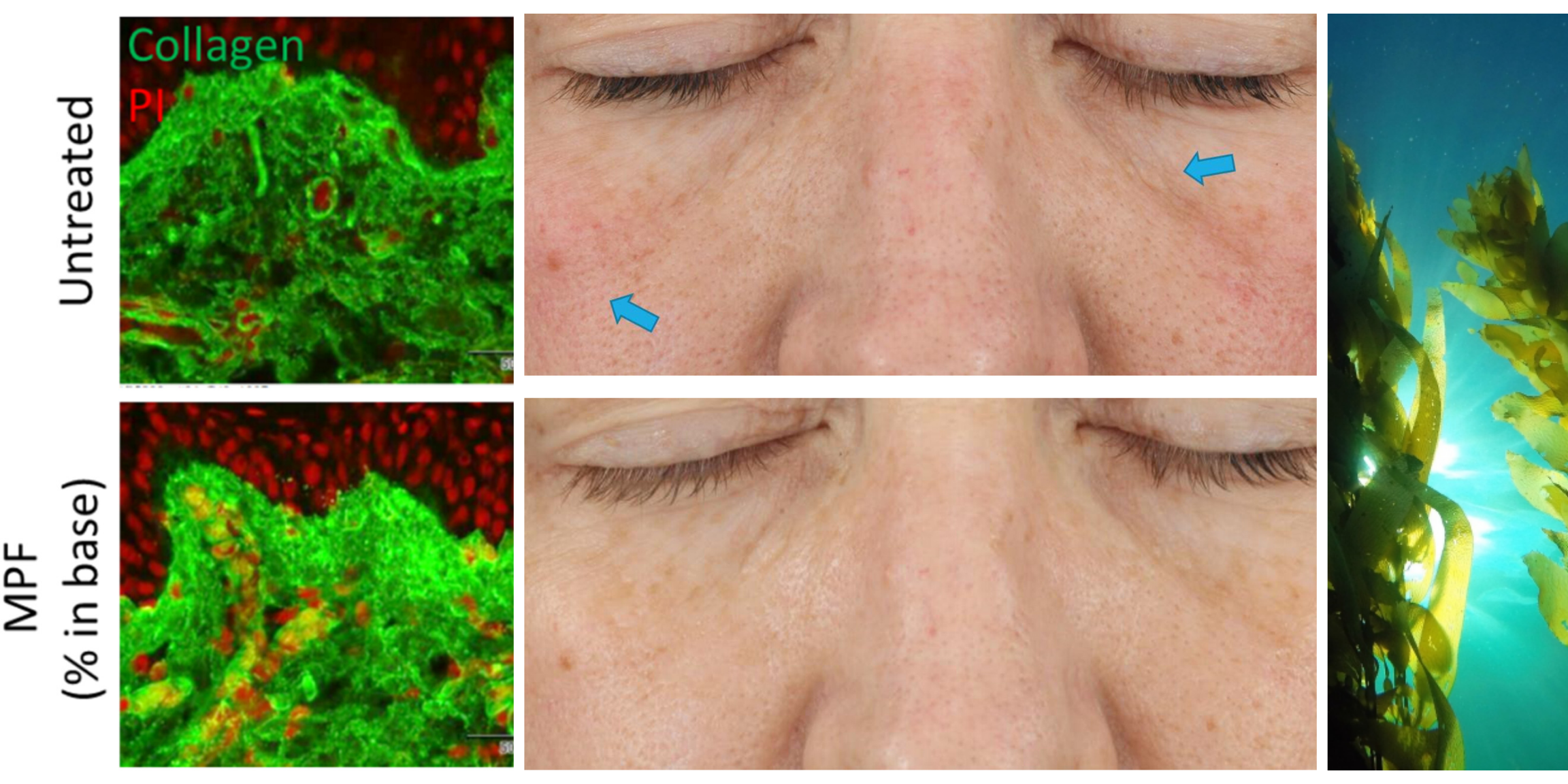
Revolutionizing Post-Procedure Skin Recovery: The Breakthrough of Macrocystis Pyrifera Ferment Serum
This comprehensive review highlights the transformative potential of exosome (Exo)-based therapies in dermatology, offering groundbreaking solutions for skin regeneration, wound healing, and inflammatory diseases such as psoriasis and systemic sclerosis.
Exosomes—tiny extracellular vesicles packed with bioactive molecules—excel in cell-to-cell communication, modulating immune responses, and promoting tissue repair. Derived from sources like mesenchymal stem cells (MSCs) or plants, they enhance collagen synthesis, reduce oxidative stress, and accelerate wound closure. These effects often surpass traditional treatments due to exosomes’ low immunogenicity and targeted delivery.
However, clinical adoption faces several challenges, including high production costs, complex isolation procedures, and the absence of standardized protocols. Innovations in biomaterial carriers (e.g., hydrogels, microneedles) and engineering techniques (e.g., surface modification) aim to address these barriers by ensuring sustained release and improved stability.