

Earlier Menopause and Risk of Metabolic Dysfunction‐Associated Steatotic Liver Disease: A Global Cohort Study
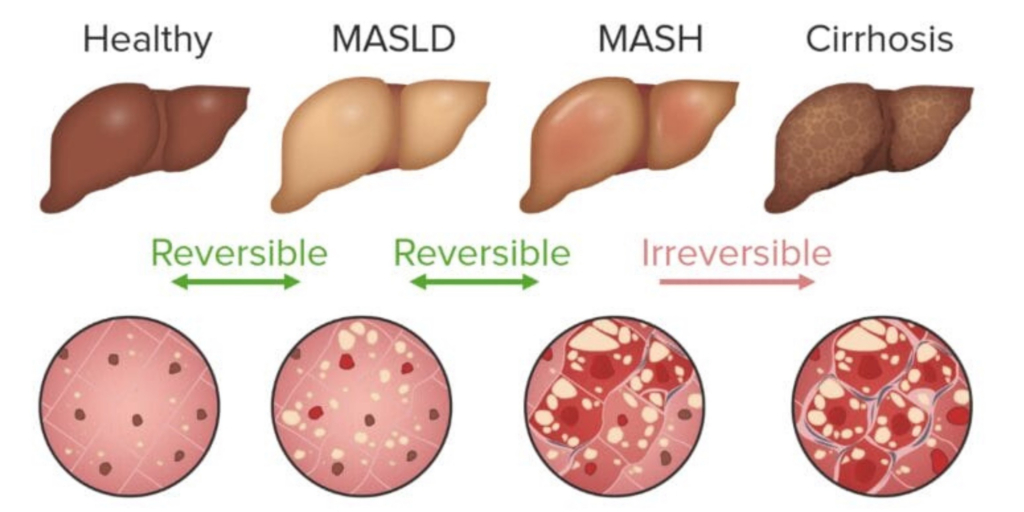
The Menopause-MASLD Connection: A Global Cohort Analysis for Female Cardiometabolic Risk
This longitudinal assessment of nearly 42,000 women is groundbreaking as it is the largest study to use a globally federated healthcare network with rigorous propensity-score matching to isolate the independent metabolic effects of natural menopause occurring before the age of 50. The research identified significant post-menopausal health alterations—including a markedly increased risk of developing metabolic dysfunction-associated steatotic liver disease (MASLD), alongside the onset of new dyslipidemia and pre-diabetes. These findings are scientifically vital because, while the protective cardiometabolic effects of pre-menopausal estrogens have long been suspected, the robust evidence that earlier menopause alone accelerates hepatic and metabolic decline provides a critical risk-assessment framework for future female-specific screening protocols and targeted early interventions.
Trans-ancestry GWAS of hot flashes reveals a potent treatment target and overlap with psychiatric disorders

The Menopausal Hot Flash Genome: A Trans-Ancestry Map for Targeted Non-Hormonal Therapies
This trans-ancestry genome-wide association study of nearly 150,000 post-menopausal women is pioneering as a large-scale genomic analysis to isolate the specific genetic underpinnings and causal mechanisms of menopausal hot flashes. The research identified significant genetic risk factors—including a primary locus on chromosome 4 within the neurokinin 3 receptor gene (TACR3)—alongside notable genetic correlations with psychiatric phenotypes such as PTSD, depression, and ADHD. These findings are crucial because, while hot flashes are an often debilitating symptom of the menopause transition, the definitive genetic link to the neurokinin 3 receptor provides critical validation for recently developed non-hormonal targeted therapies, proving how large-scale genomic scanning can effectively pinpoint potent treatment targets for complex brain-related phenotypes.
Twice-Yearly Lenacapavir or Daily F/TAF for HIV Prevention in Cisgender Women

The Zero-Incidence Trial: A Long-Acting Strategy for HIV Prevention in Women
This phase 3 randomized controlled trial of adolescent girls and young women is unprecedented as the first study to use a twice-yearly subcutaneous injection to isolate the preventative effects of lenacapavir as HIV preexposure prophylaxis (PrEP). The research identified significant real-world prevention outcomes—including an unprecedented zero incident HIV infections in the lenacapavir group, high participant adherence to the biannual dosing schedule, and proven safety among pregnant and lactating participants—alongside high breakthrough infection rates in the daily oral pill cohorts. These findings are very important because, while standard daily oral PrEP medications are highly effective when taken as prescribed, the persistent behavioral and structural barriers to daily pill-taking mean this 100% efficacious, long-acting injection provides a critical, low-barrier framework for future global HIV elimination strategies, particularly in high-incidence regions.
Sex Bias in Autoimmunity: New Findings and New Opportunities

Sex Bias in Autoimmunity: A Biological Roadmap for Targeted Therapeutics
This comprehensive review of sex-biased autoimmunity is groundbreaking as an integrative analysis to isolate the specific chromosomal, hormonal, and metabolic mechanisms driving the disproportionate prevalence of autoimmune diseases in females. The research identified significant sex-specific biological factors—including X chromosome-linked gene expression, fluctuating sex hormone profiles across the lifespan, and distinct immunometabolic pathways in the skin—alongside the unique immunological impacts of gender-affirming hormone therapy. These findings are highly relevant because, while it has long been recognized that women are significantly more susceptible to autoimmune conditions, the definitive mapping of these fundamental biological drivers provides a critical framework for future personalized medicine, such as the development of targeted therapeutics that avoid the adverse effects of broad immunosuppression.
X chromosome-encoded microRNAs in immune regulation: sex differences and clinical implications
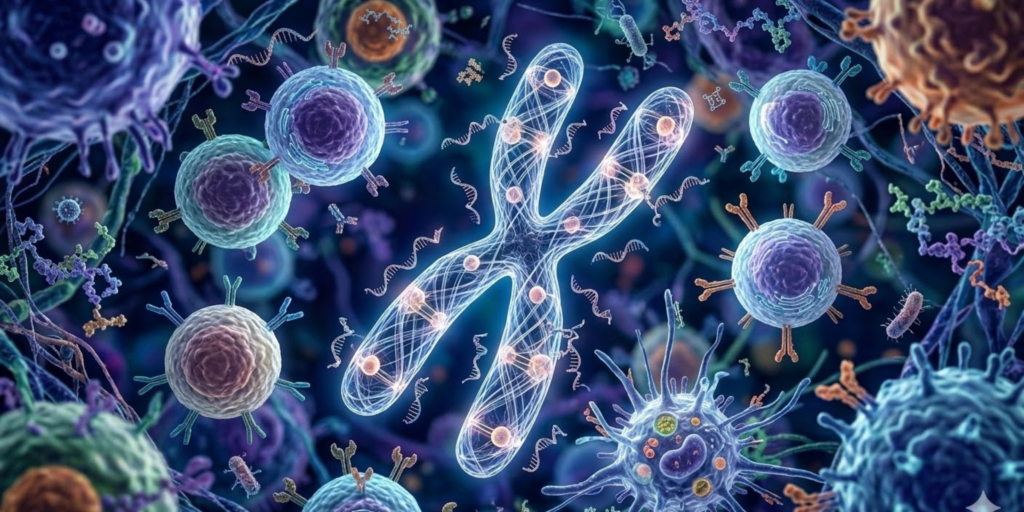
X-Linked MicroRNAs: A Genetic Pathway for Sex-Biased Immunity
This comprehensive review of X chromosome-encoded microRNAs is revolutionary as an integrative analysis to isolate the specific genetic and regulatory mechanisms driving the disproportionate prevalence of autoimmune and chronic inflammatory diseases in females. The research identified significant sex-specific biological factors—including the high density of immune-related genes on the X chromosome, the phenomena of X-chromosome inactivation and escape, and the differential expression of X-resident miRNAs—alongside their dual role in conferring superior protection against infections while potentiating pro-inflammatory signaling cascades. These findings are very important to build on because, while the heightened immune responsiveness of women has long been recognized, the definitive mapping of these underlying X-linked molecular drivers provides a critical framework for future sex-aware precision medicine, such as the development of novel microRNA-based biomarkers and targeted therapeutics for autoimmune disorders.
G.A Study Protocol for a Randomized Controlled Trial Investigating the Influence of Iyengar Yoga on Biofunctional Age and Cardiovascular Risk Associated Biomarker of Postmenopausal Women

The Iyengar Yoga Protocol: A Biofunctional Roadmap for Postmenopausal Aging
This randomized controlled trial of women aged 45 to 54 is very important as a structured interventional study to use a targeted 12-week Iyengar Yoga program to isolate the cardiovascular and anti-aging effects of mind-body practice during the menopausal transition, when the general well-being decreases significantly.The research is designed to identify significant physiological alterations—including a measurable reduction in biofunctional age, decreased high-sensitivity C-reactive protein (hsCRP) levels, and mitigated oxidative stress—alongside a reduction in the frequency of debilitating hot flushes. These targeted outcomes are very important to understand because, while this specific decade of a woman’s life is typically marked by a significantly accelerated rate of biological aging, the clinical validation of this non-pharmacological intervention provides a critical, accessible framework for future healthy-aging strategies, such as integrating structured yoga to systematically improve cardiovascular risk profiles and overall postmenopausal vitality.