Transcranial Pulsed Current Stimulation and Social Functioning in Children With Autism: A Randomized Clinical Trial

A promising neuromodulation technique for pediatric neurocare with close to no side effects!
This first-ever multicenter, double-blind, two-arm, sham-controlled randomized clinical trial evaluated the efficacy of transcranial pulsed current stimulation (tPCS) in improving social behaviors among 312 children aged 3 to 14 years with autism spectrum disorder (ASD). Administered over 20 weekday sessions across four weeks, tPCS led to a 10.7% improvement in sociability, measurable enhancements in executive functioning, and a significant reduction in sleep disturbances. These outcomes were assessed using the Autism Treatment Evaluation Checklist (ATEC) as the primary measure, with no serious adverse effects reported. These results highlight the potential of tPCS to enhance social functioning and sleep, and further phase 4 trials in community settings are needed to assess its real-world effectiveness.
Effect of Probiotics as an Adjunctive Therapy With Ritalin Among ADHD Children and Adolescents: A Triple-Blind Randomized Controlled Trial
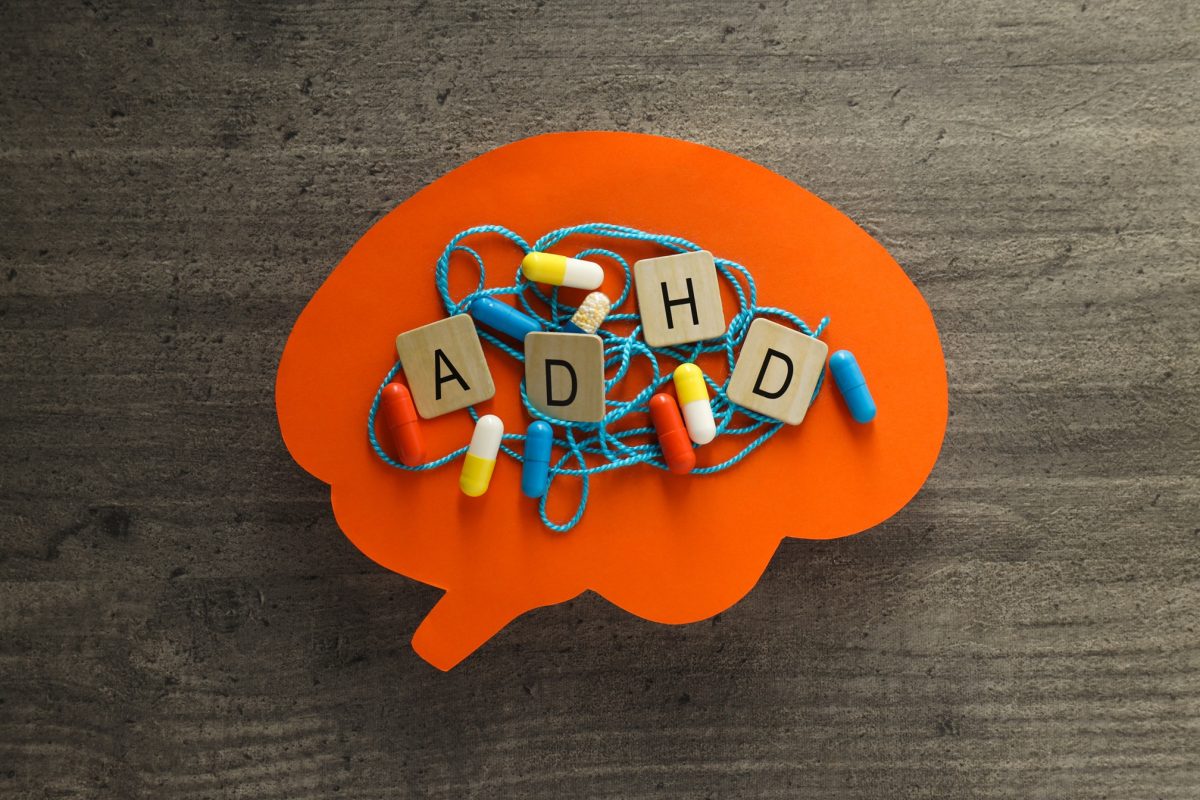
Probiotics as a Neurocognitive Adjunct in ADHD: A Triple-Blind Study Suggests Promising Auditory Gains
In a triple-blind, placebo-controlled trial conducted in Mashhad, Iran, researchers investigated the effects of probiotic supplementation alongside Ritalin in children and adolescents diagnosed with ADHD. Over an 8-week intervention, 57 participants aged 4–16 were randomized to receive either encapsulated probiotics (containing Lactobacillus plantarum PTCC 1896™ and Bifidobacterium animalis BB-12®) or placebo pearls, in addition to standard ADHD therapy with Ritalin. While both groups showed no significant difference in total Conners’ Parent Rating Scale (CPRS) scores by the study’s end, a notable finding emerged: the probiotic group exhibited significantly greater auditory response control as measured by the IVA/CPT test (p = 0.02). These findings point to a potential neuromodulatory role of probiotics via the gut-brain axis, possibly through enhanced neurochemical signaling or reduced neuroinflammation.
Exogenous GABA Alleviates Tourette Syndrome-Like Behavior in Sprague-Dawley Rats by Altering Gut Microbiota and Striatum Metabolism
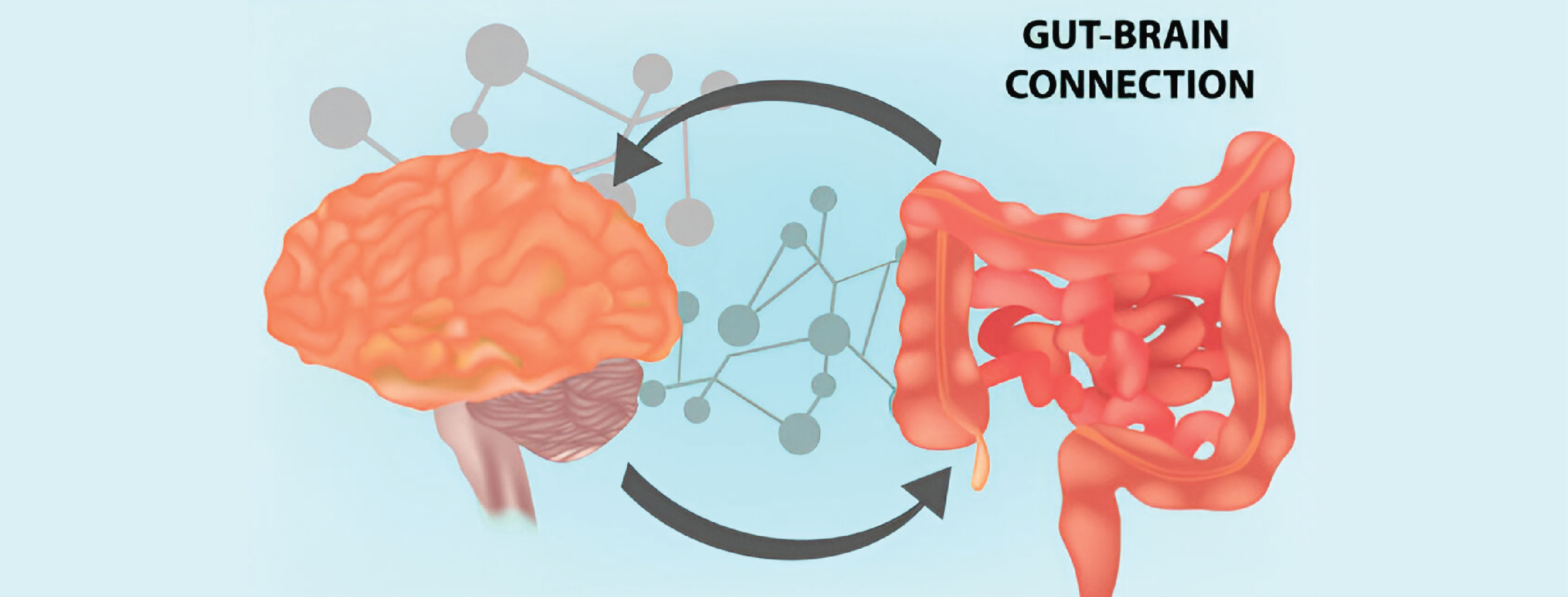
Exogenous GABA Harnesses Gut–Brain Axis to Quell Tourette-like Tics
In a pioneering rodent study, four weeks of oral GABA supplementation dramatically reduced stereotypical tic-like movements in a Sprague–Dawley rat model of Tourette syndrome. Importantly, this work uses an integrated 16S rRNA sequencing and LC–MS metabolomics approach to connect gut microbiota shifts with striatal metabolic changes. GABA normalized the gut microbiome by reversing TS-associated dysbiosis: it sharply lowered overgrown Clostridium_sensu_stricto_1 in the guts of TS rats while boosting beneficial bacteria like Acinetobacter. Concurrently, striatal metabolomics revealed restoration of neurotransmitter balance: exogenous GABA countered the TS-induced GABA–glutamate imbalance and raised levels of neuroprotective metabolites (e.g., withaferin A and indoleacrylic acid). A striking gut–brain correlation analysis confirmed that high Clostridium_sensu_stricto_1 levels were linked to deficits in these beneficial metabolites, supporting the idea that GABA’s effects arise via gut–brain axis interactions. This was the first study linking external GABA supplementation to both behavioral improvements and favorable metabolic shifts in a TS model.
Predicting Adolescent Arithmetic and Reading Dysfluency

Early Cognitive and Familial Predictors of Persistent Reading and Arithmetic Dysfluency in Adolescence: A Longitudinal Finnish Cohort Study
This longitudinal study followed 941 Finnish children from kindergarten through adolescence, identifying key predictors of persistent reading and arithmetic dysfluency-defined as scoring below the 16th percentile in Grades 7 and 9. Family risk for reading difficulties and kindergarten cognitive skills (letter knowledge, rapid automatized naming, counting, and visuospatial abilities) provided moderate predictive accuracy for adolescent struggles. School-age fluency measures (grades 2–6) significantly enhanced prediction, with grade 4 assessments proving most discriminative. Notably, letter knowledge and counting skills remained unique long-term predictors, even after accounting for later academic performance, suggesting neurocognitive foundations for persistent dysfluency. These findings highlight the critical window for early screening and targeted interventions, as pre-literacy and numeracy deficits may foreshadow enduring academic challenges.
Exploring the Multidimensional Occupational Participation of Young Adults With Developmental Coordination Disorder
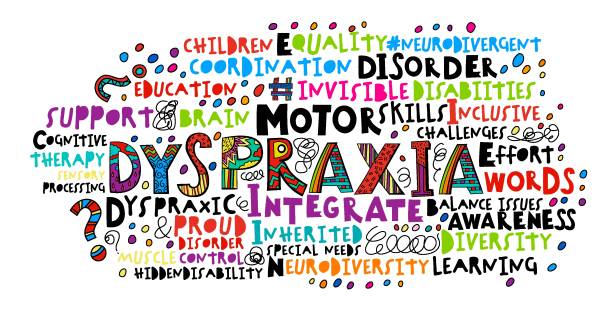
Uncovering the Hidden Challenges of Adults with DCD: An Appeal for Holistic Occupational Support
Investigating the multidimensional occupational participation patterns of young adults with Developmental Coordination Disorder (DCD), this study reveals a complex interplay between high engagement in daily tasks and low subjective satisfaction. Although participants frequently performed essential activities such as cooking, navigating, and using technology, they reported low levels of pleasure and often required assistance, particularly in motor-intensive or executive-function-heavy tasks like financial management and health care. Strikingly, participation in fitness, health maintenance, and volunteering was minimal, raising concerns about long-term well-being. In contrast, activities involving interpersonal relationships and community life yielded high levels of meaning, pleasure, and perceived competence, underscoring potential strengths in social engagement. The contradictory participation profile shown by these findings, functional involvement without fulfillment, highlights the pressing need for occupational therapy interventions that are specifically designed to improve enjoyment, autonomy, and overall health.
Disconnection Between Parietal and Temporal Areas Without Simultanagnosia: A Case Study of Prosopagnosia

A case study on the disease coined by the husband who thought his wife was a hat: prosopagnosia, with maybe its stationary counterpart: simultanagnosia.
This study presents a neuropsychological investigation of patient EP, a rare case of acquired prosopagnosia with intact core face-selective regions but significant damage to the Vertical Occipital Fasciculus, disrupting ventral-parietal connectivity. Comprehensive testing revealed preserved global processing and no evidence of simultanagnosia, despite profound face recognition deficits-highlighting a dissociation between holistic scene integration and impaired facial configural processing. EP performed normally on Mooney faces, complex scene descriptions, and Navon tasks, yet struggled with facial identity matching and memory. The importance of white matter integrity in face perception is highlighted by these findings, which imply that his prosopagnosia results from impaired network connection rather than widespread visuospatial dysfunction. The need to evaluate both cortical nodes and their connections in visual processing disorders is highlighted by this example, which calls into question conventional lesion-based theories of prosopagnosia. This precise neuropsychological profile, with preserved global perception but isolated face recognition failure, demonstrates that white matter disconnection can selectively disrupt face processing networks while sparing dorsal-ventral integration pathways.