
Next-generation Forensics: Exploring 3D Bioprint Analysis Technologies
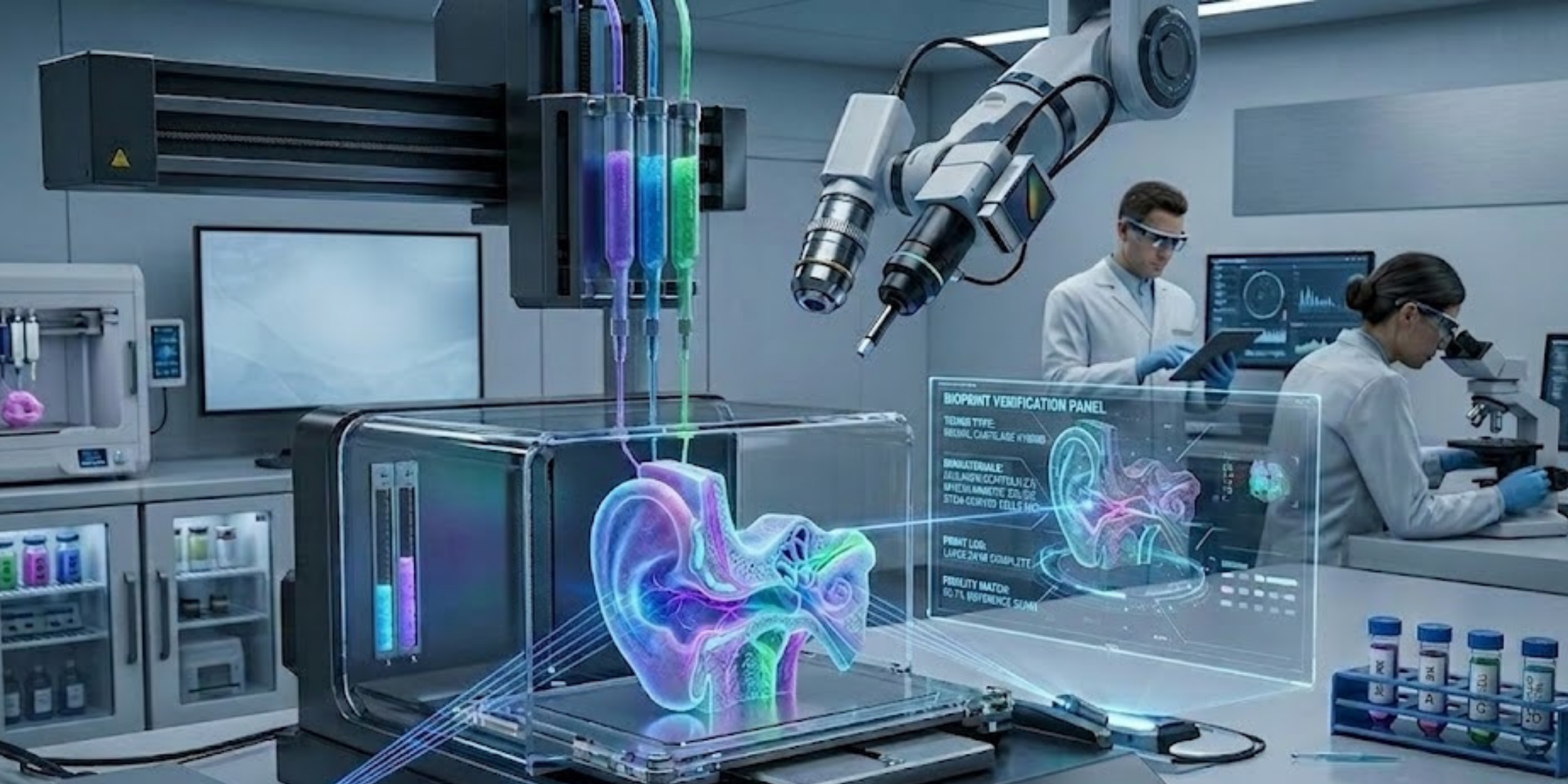
3D Bioprinting in the Courtroom: Transforming Forensic Reconstruction and Evidence Modeling
In a systematic review published in the Journal of Anatomical Sciences, researchers investigated the integration of 3D bioprinting technologies into forensic science. By evaluating selected literature published between 2015 and 2024, the authors explored technological approaches and applications in trauma modeling and biological reconstruction. While challenges such as high production costs and limited material realism persist, a notable finding emerged: 3D bioprinting demonstrates high fidelity in accurately reproducing wound patterns, soft tissue injuries, and skeletal trauma. These findings point to a transformative shift in the field, suggesting that 3D bioprinting has the potential to significantly improve investigative precision, forensic education, and the clarity of evidence presented in legal proceedings.
Carrying the Aftermath: Forensic Trauma as a PredictableOoccupational Injury in a Lifecycle Systems Framework
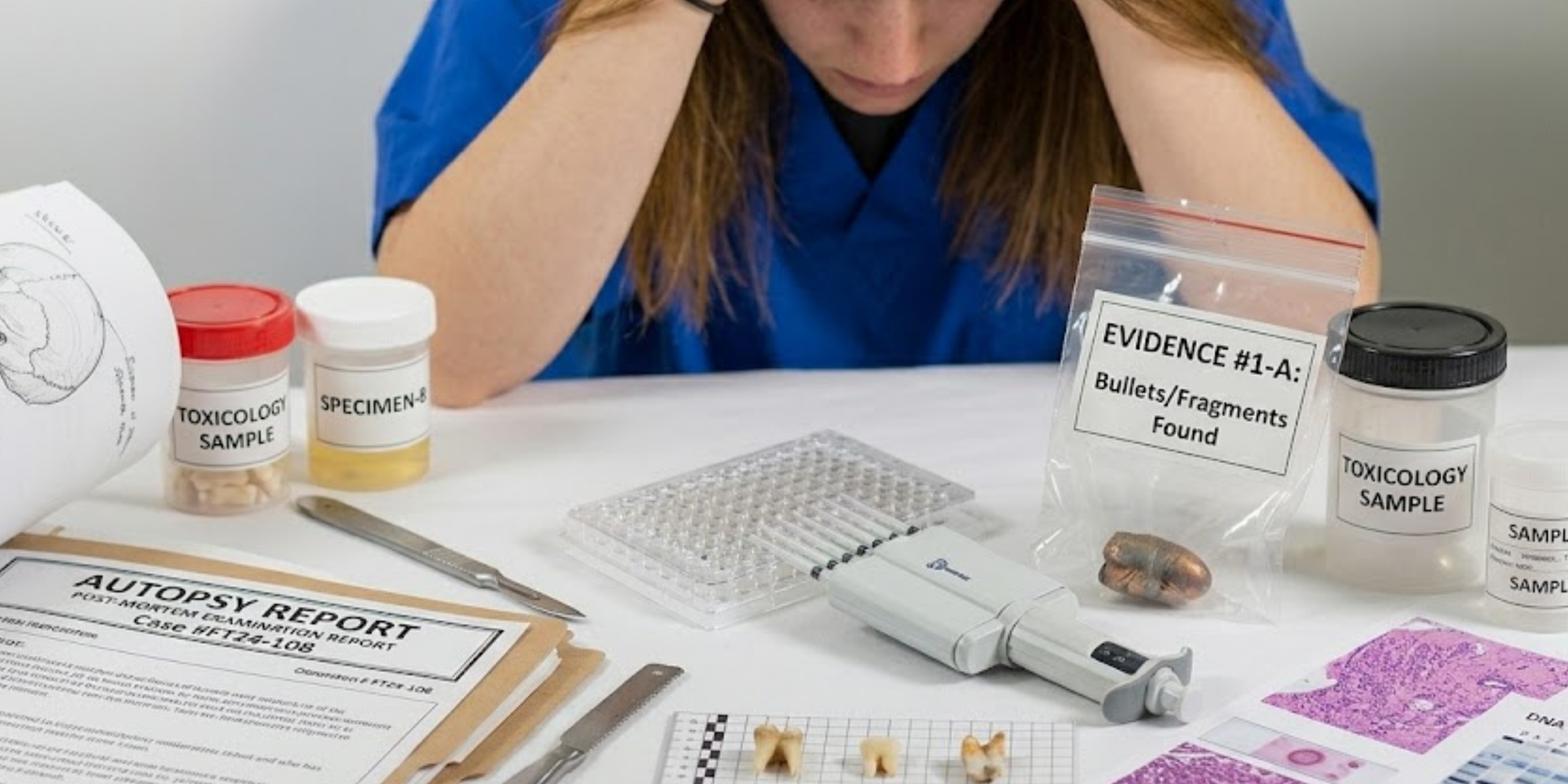
Systemic Strain: Reframing Forensic Trauma as a Predictable Occupational Injury
In a qualitative interpretative phenomenological analysis, researchers explored how self-directed learning soundscapes impact mental fatigue and cognitive restoration in neurodivergent university students. Through in-depth online interviews, students who self-identified as Autistic, ADHDers, or AuDHDers described how environmental sound shaped their ability to focus and regulate emotion. While traditional educational settings often enforce quietness, a notable finding emerged: imposed silence was frequently experienced as emotionally taxing rather than restorative. Instead, participants found cognitive safety and restoration in “acoustical compatibility”—environments that offered predictability, personal salience, and control. These findings point to a need for sensory-inclusive educational policies that prioritise personal soundscape management over mandatory silence.
Injury as a Silent Witness: Forensic Medicine’s Role in the Legal Qualification of an Explosive Case
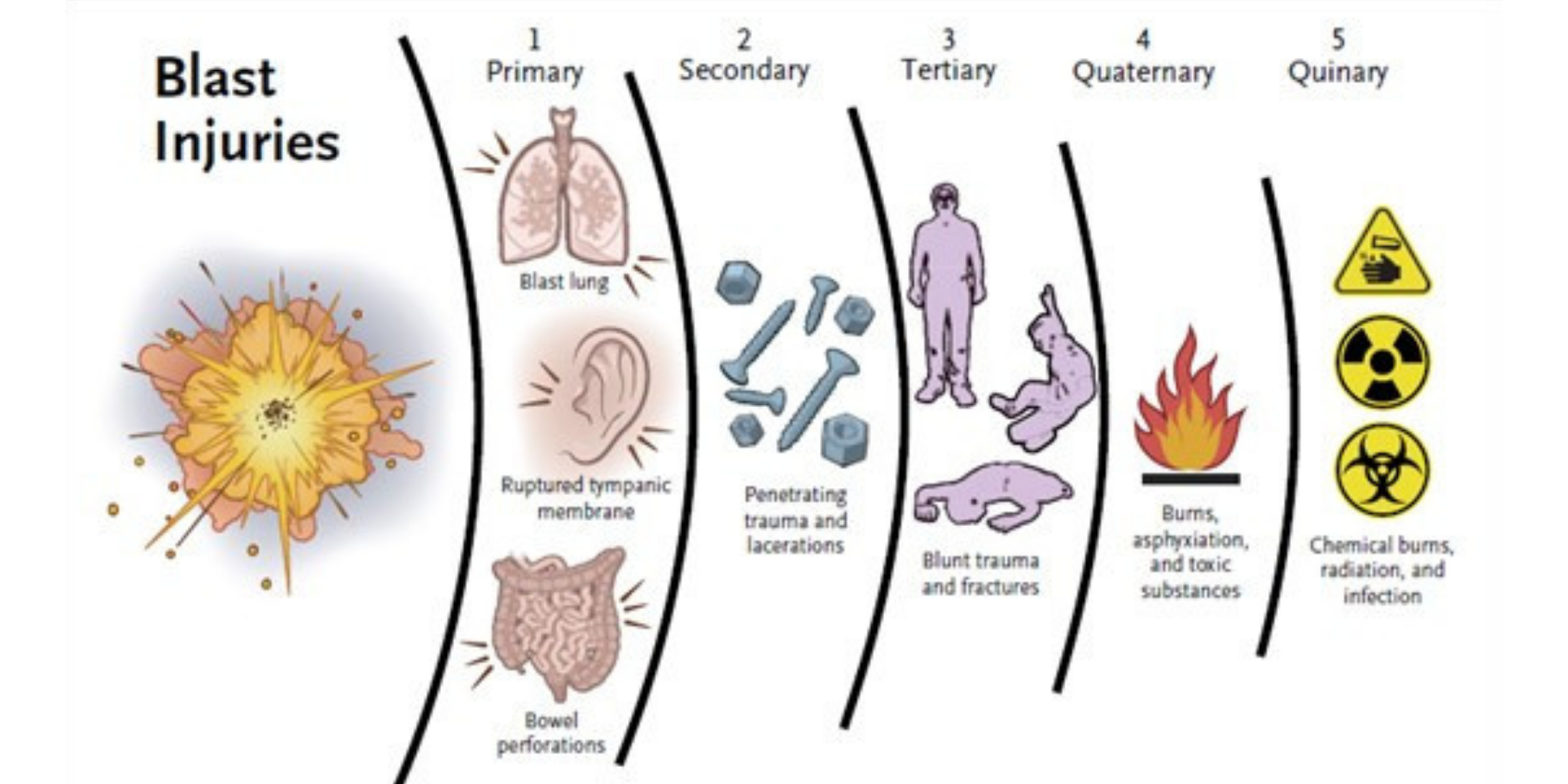
Injury as a Silent Witness: Forensic Medicine’s Decisive Role in Reconstructing Explosive Events
In a case report published in Legal Medicine, researchers investigated the critical role of interdisciplinary forensic analysis in reconstructing explosive event dynamics and determining appropriate legal charges. By integrating detailed injury pattern reviews, radiological imaging, and explosive residue testing alongside crime scene data, the authors explored an incident where a bomb disposal technician claimed a device detonated spontaneously, initially leading to mass murder charges based on presumed explosive power. While forensic medicine is frequently relegated to a marginal or confirmatory role in charge determination, a notable finding emerged: a comprehensive assessment of the technician’s specific blast injuries definitively disproved their version of events, redefining their physical position at the time of detonation and significantly reducing the inferred capacity of the explosive. These findings point to the indispensable value of collaborative forensic pathology and ballistics expertise in correcting narrative inaccuracies and ensuring precise judicial decision-making.
A Two Decade Review of Elderly Physical Abuse in Forensic Medicine
The Hidden Epidemic: Two Decades of Elder Physical Abuse and the Impact of Social Crises
In a descriptive, cross-sectional analysis published in Geriatric Nursing, researchers investigated the characteristics and patterns of elder physical abuse over a 20-year period. By analyzing 379 cases reported to a forensic medicine unit between 2004 and 2023, the authors explored victim demographics, perpetrator characteristics, and the impact of social crises like the COVID-19 pandemic. While elder abuse remains a complex issue often concealed within trusted relationships, a notable finding emerged: every single victim was assaulted by a person they knew, predominantly within their own homes, and incident rates surged significantly due to pandemic-induced isolation. These findings point to the critical role of healthcare providers in incidentally detecting abuse and highlight an urgent need for stronger social support systems for elderly individuals.
Stepwise Clinical and Diagnostic Strategy for Coma of Unknown Origin
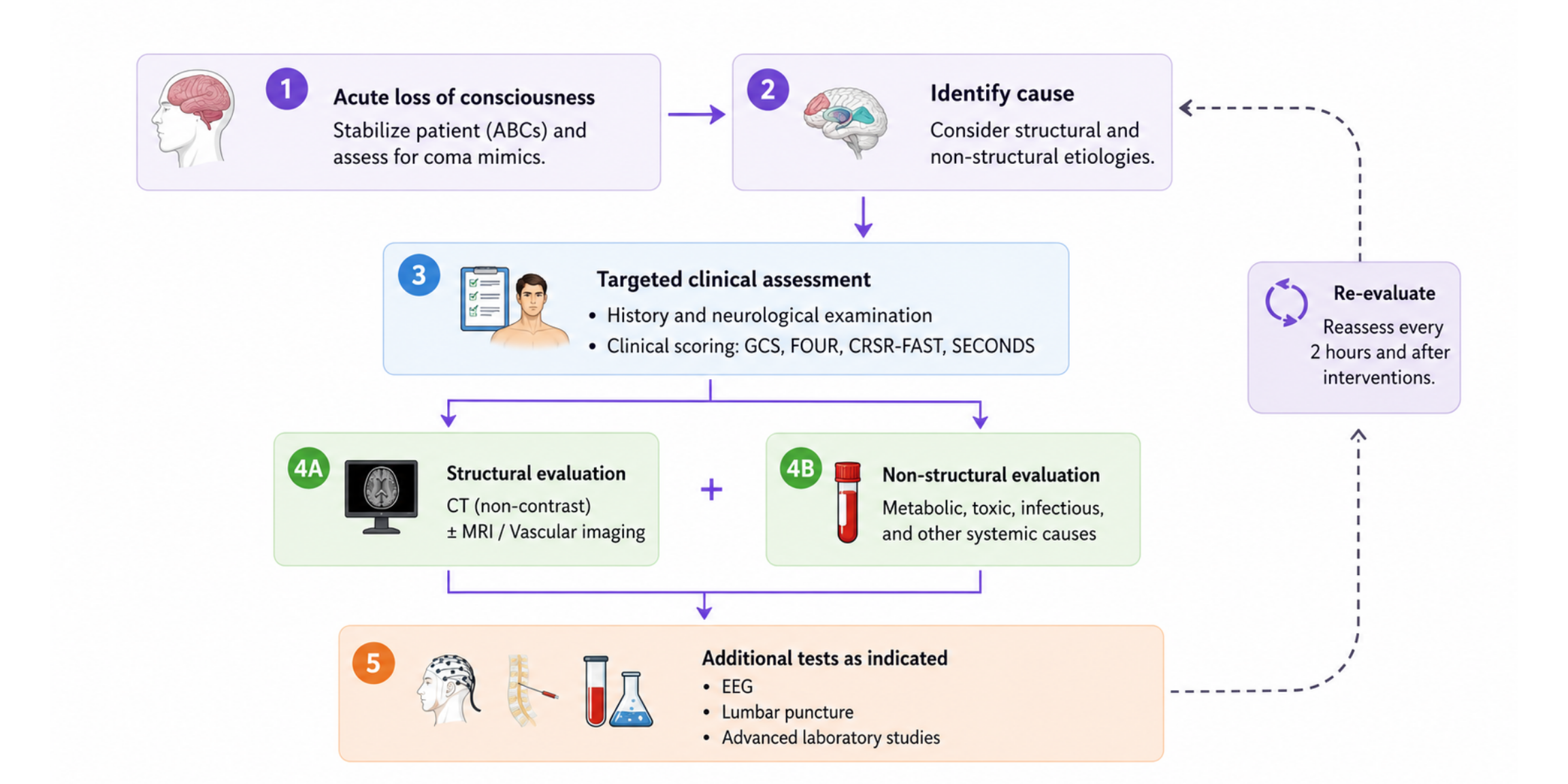
Systematic Physiology: A Stepwise Diagnostic Strategy for Coma of Unknown Origin
In a narrative review published in Intensive Care Medicine, researchers investigated a structured diagnostic strategy for evaluating comas of unknown origin in acute-care settings. By integrating clinical examinations, electroencephalography, neuroimaging, and laboratory findings into a unified diagnostic algorithm, the authors explored methods for prioritizing the early detection of reversible etiologies. While coma presents a critical and highly complex failure of arousal and awareness systems, a notable perspective emerged: incorporating iterative reassessment cycles alongside emerging neurotechnologies like advanced MRI can shift clinical management toward effectively targeting specific pathophysiological network dysfunctions. These recommendations point to a critical need for systematic, physiology-based evaluation frameworks to rapidly identify treatable causes and enable precision neurocritical care.
Exploring Bullshit in the Field of Medical Informatics: A Critical Perspective

The Epistemological Divide: Distinguishing Scientific Progress from ‘Bullshit’ in Medical Informatics
In a critical conceptual paper published in Studies in Health Technology and Informatics, researchers investigated the proliferation of superficial and misleading representations within the field of medical informatics. By analyzing two specific case studies—the implementation of Switzerland’s national electronic health record (EHR) system and the use of patient-reported outcomes (PROMs)—the authors explored how intentional misrepresentation (F-bullshit) and the uncritical acceptance of assertions as truth (C-bullshit) can undermine the discipline. While medical informatics continues to face challenges in establishing itself as a fully recognized scientific discipline, a notable perspective emerged: appealing but scientifically hollow endeavors often masquerade as rigorous progress when epistemological foundations are weak. These findings point to a critical need for the field to establish robust scientific standards that clearly delineate genuine technological advancement from superficial applications that merely mimic scientific rigor.